Digital printing on fabric.
Digital printing on fabric is also known as digital textile printing. Here is the one-stop complete guide to know about digital fabric printing in detail.
What Will You Learn?
- What is Fabric Printing?
- What is Digital Printing on Fabric?
- How does Digital Textile Printing Work?
- Other Fabric Printing Methods
- Why is Digital Fabric Printing Better?
- What are the Possibilities?
- What Future Holds?
- Who can Benefit From This Guide?
What is Fabric Printing?
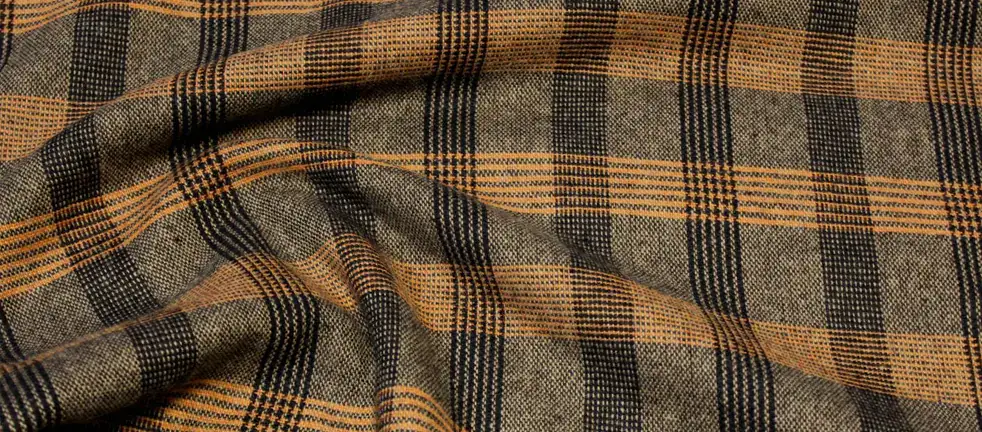
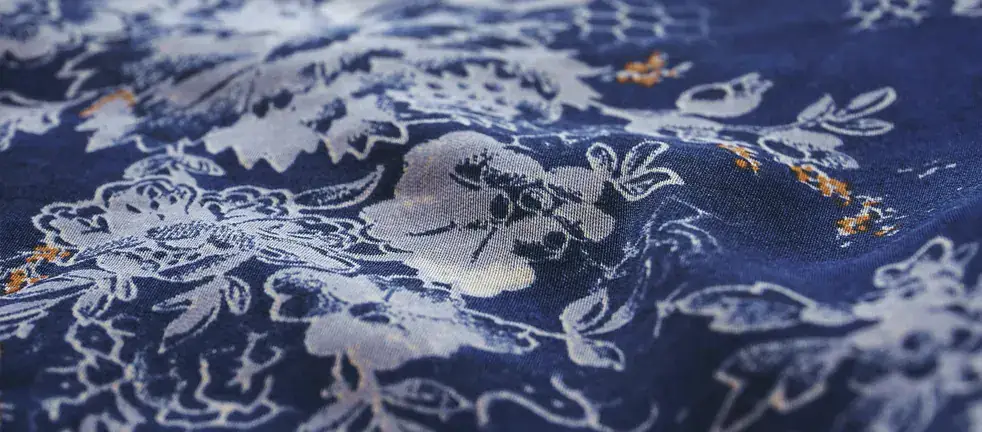
Fabric printing is the process of applying coloured patterns and designs onto fabric.
In fabric printing, one or more colours are applied to it in certain parts only, and in sharply defined patterns.
In a properly printed fabric, the colours are affixed to the fibre, so that it may not be affected by washing and friction.
Is dyeing the same as printing?
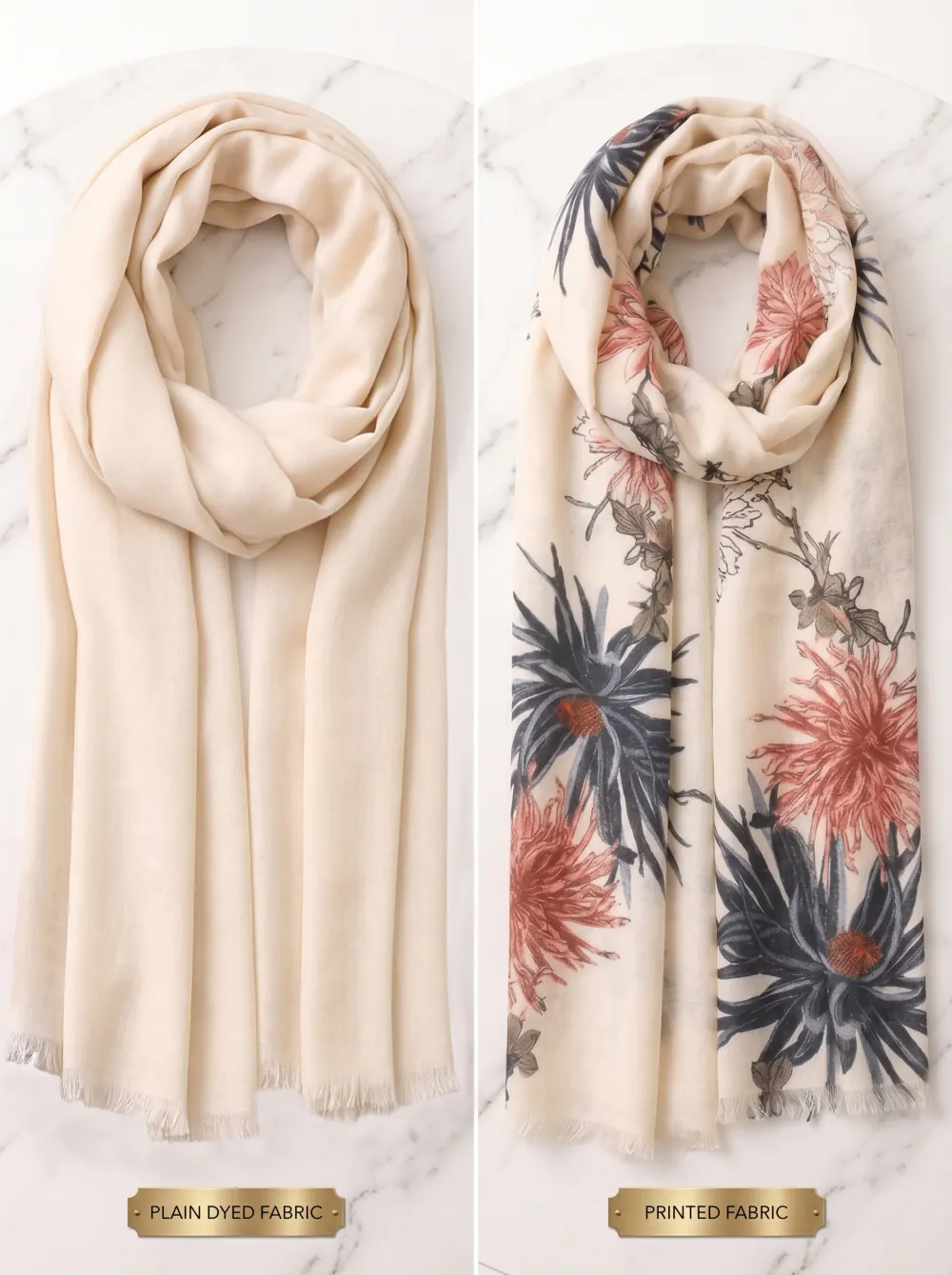
Dyeing is similar to printing, but in dyeing the whole fabric is uniformly covered with one colour, whereas in printing, repeat patterns are getting printed all over or on a certain part of the fabric.
What is Digital Printing on Fabric?
“Digital fabric printing is the act of printing digital files on to fabric using ink jet-based printers.”
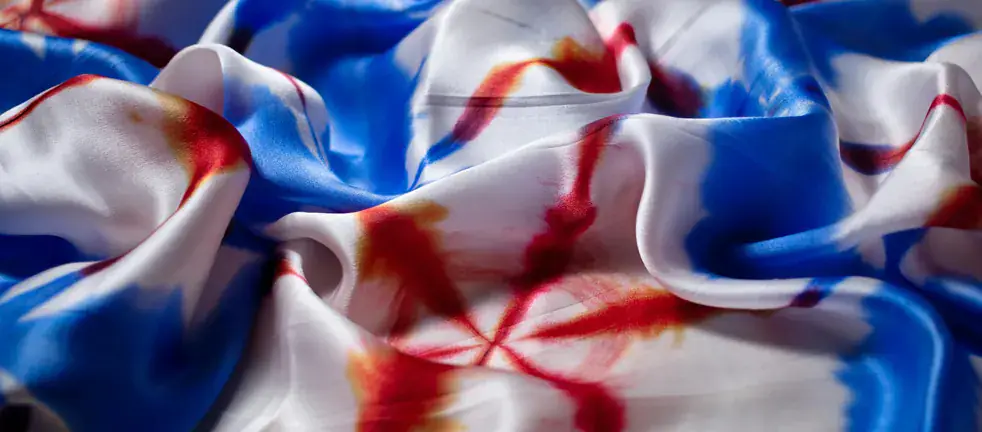
Digital printing on fabric is an innovative process that involves printing a design, a pattern or an image directly from the computer onto the desired media by way of a large format digital printing machine, aka an ink-jet printer.
There are mainly two successful digital printing methods:
- Sublimation Digital Printing
- Direct Digital Printing
The technology behind both printers is the same, but the media that is to be fed into the printing machine and the processes to get the fabric ready differ in both methods.
How does Digital Textile Printing Work?
As we discussed, there are two kinds of digital printing methods:
1. How Sublimation Digital Printing Works?
Step 1. Ready Your Design
RIP your digital print pattern, and get it ready for printing.
Step 2. Printing
Print a mirrored reflection of the digital file on specially coated paper. Your print emerges as the print head passes right to left and back again across the paper, laying the ink on the paper in layers over a number of passes.
Step 3. Fusing / Heat Transfer
Printed coated paper is then transferred onto any polyester-based fabric under extreme heat and pressure using a heat transfer machine.
2. How Direct Digital Printing Works?
Step 1. Pre-Treatment
Apply a coating chemical to the fabric before printing. This is also known as padding. Padding is useful because the coating chemical holds and penetrates the reactive dyes better.
Step 2. Ready Your Design
Choose the profile according to the fabric, and RIP the design to get it ready to print.
Step 3. Printing
Your fabric is placed flat on the sticky printer belt. The coated fabric is then fed into the direct digital printer for printing.
Step 4. Drying
Your printed fabric gets dried by the heater attached with the digital printer.
Step 5. Post-Treatment
The printed fabric goes through the steaming, washing, drying, and ironing. This is the most vulnerable process. Each fabric requires a different length and quantity of steam depending on a number of variables including fabric type and length of fabric.
As we know, both of these processes are similar to the computer-controlled paper printers used for office applications but on a somewhat complex scale where numerous variables like:
- Design
- Fabric GSM (Grams per Square Metre)
- Fabric type
- Colour management
- Printer brand
- Print-head
- Number of head passes
- RIP software
- Temperature and Humidity
- Pre-post treatment chemicals and equipment
- Ink / Dyes
These variables are managed to give you the best possible outcome on fabric.
Other Fabric Printing Methods
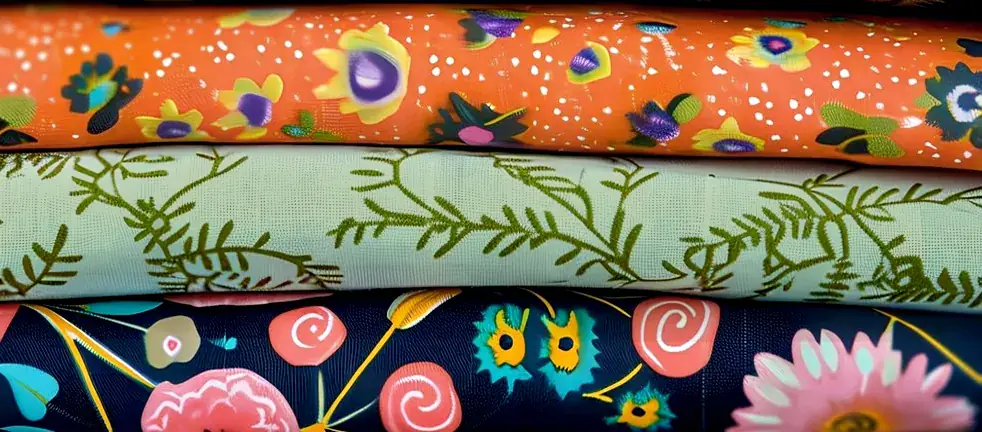
There are a lot of different kinds of printing methods used for printing textiles. Mainly there are three other than digital printing:
1. Screen Printing
Screen printing is by far the most common printing method today. There are two basic types of screen printing processes: rotary screen printing and flat (bed) screen printing. In this method, a blade (squeegee) squeezes the printing paste through openings in the screen onto the fabric. Normally, with each slide of the frame, a repeat of the design is printed.
2. Roller Printing
Roller printing is also known as cylinder printing or machine printing. This method is a machine version of block printing: engraved copper cylinders or rollers are used in place of hand-carved blocks. With each revolution of the roller, a repeat of the design is printed.
3. Block Printing
Block Printing is also known as Hand Block Printing or Wood Block Printing. The blocks are usually made from wood or metal. The block design is hand carved. The print paste dyestuff is applied to the block design on the face of the block, and the block is then pressed down firmly by hand on the fabric surface. The process is repeated with different designs and colours until the pattern is complete.
Why is Digital Fabric Printing Better?
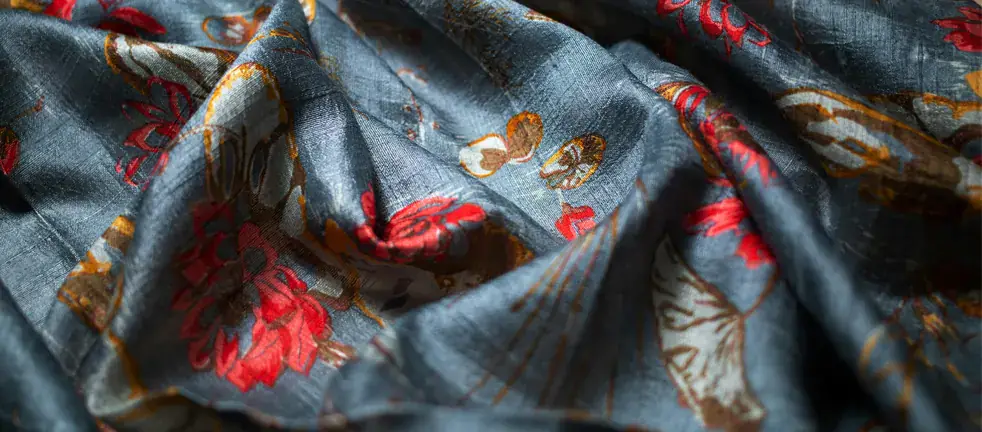
There are a lot of benefits for digital printing, but the following are the main benefits digital printing on fabric brings to the textile industry:
- Print on demand, print as much as you need
- Low cost start-up
- Needs less operational space
- Quality of printing: high printing accuracy, sharp printing
- Savings on electricity
- Reduced water consumption
- Lower need of resources enables faster production cycles
- More creativity in apparel industry
- Personalisation of household fabrics according to consumer requirements
- Needs less education as compared to traditional printing
- Wide range of colour variety, unlimited colours
- Cost savings from absence of ongoing need of plates or drums
- Print short runs without any preparation
- Short time needed to design a textile print pattern
- Low inventory levels for fabric, ink, and other chemicals
- Reduced time to introduce new designs or garments, less time needed to get the product ready for market (Fast Fashion)
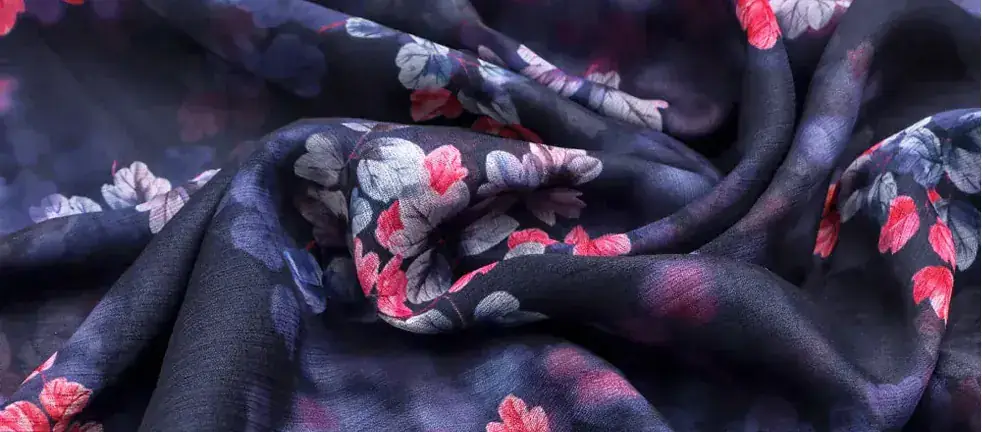
What are the Possibilities?
The market comprises many different applications and requirements. The intended use of the fabric is the most important starting point to identify exactly what’s needed to produce a specific end-product. A fabric may vary from natural yarns to synthetic fibres.
Think about this:
- Clothing
- Fabric banners
- Flags
- Tents
- Sails
- Curtains
- Table cloths
- Napkins
- Chair covers
- Gowns
- Sarees
- Company Uniforms
- Swimming Costumes
- Sports Jerseys
- T-shirts
- Indian Kurtis
- Leggings
Just wanted to get your eyeballs wide open on the possibilities.
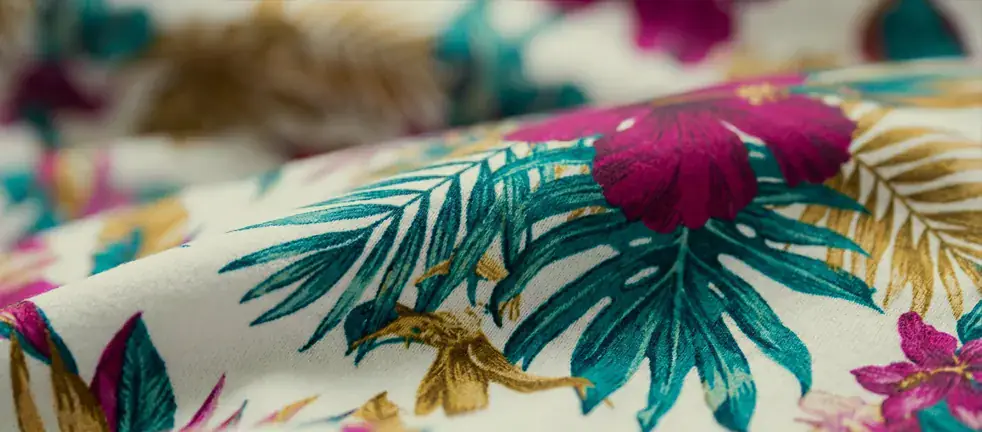
What Future Holds?
Digital textile printing is the future.
In the textile industry, the majority of fabric printing is done in the traditional method, but there is a growing interest for digital printing on fabrics.
While fabric is still about clothing and home-use fabrics, the fabric industry as a whole is one of the largest printing industries in the world with great diversity.
The demand for Digital Fabric Printing for apparel and home furnishings is rapidly growing owing to the numerous technology developments and increasing adoption of the technology.
Digital fabric printing is really a big deal.
Imagine this:
“Regular fabric patterns were created through screen printing that required individual screens for every colour used and large yardage.”
Simply put, you have to make expensive metal screen plates for every individual colour, and will have to print a lot of fabric and waste a lot of time and you would still be restricted in your choice.
Considering fashion changing so fast, guess what happens to the plates after the fabric gets printed?
You don’t need it any more because you won’t be printing the same print pattern for years.
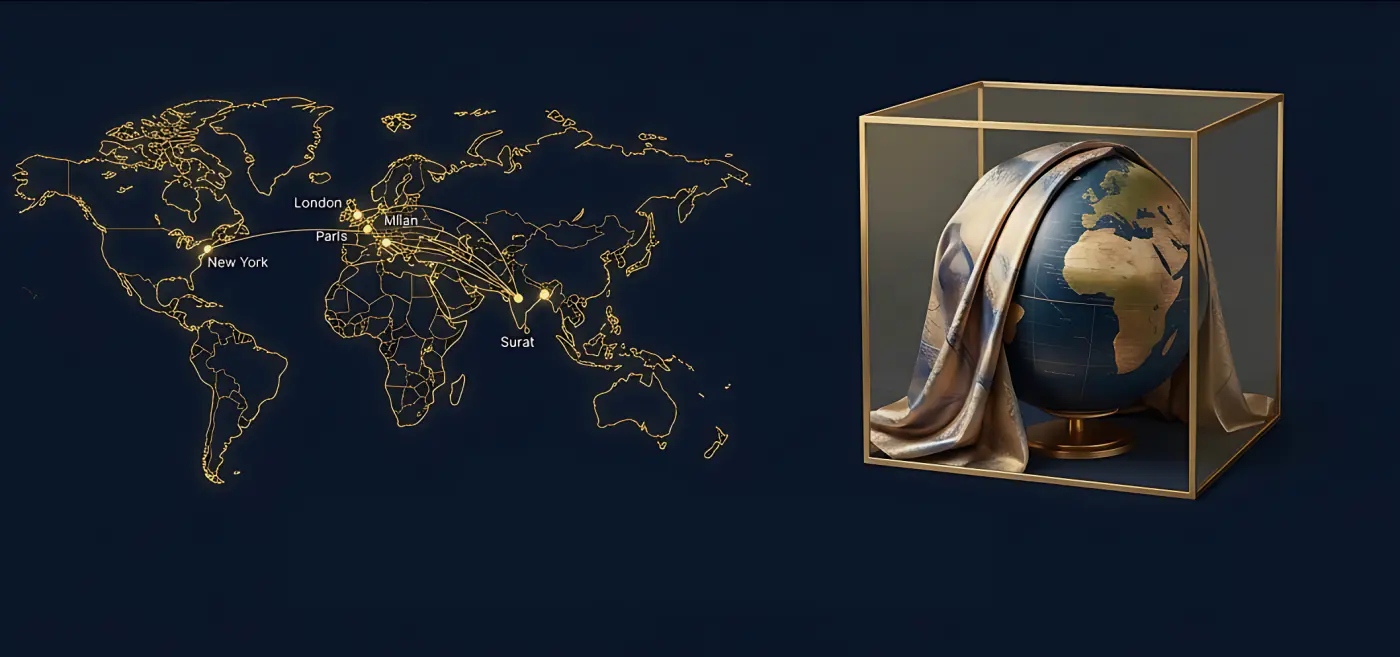
With fashion changing so fast in cities like Paris, New York, London, Los Angeles, Rome, Milan, Barcelona, Berlin, Madrid, Tokyo, Mumbai, and Delhi, consumers wanting for more exclusivity and customisation, what do you think about the scope of digital printing?
If you are like me then you will say “It is going to SKY-ROCKET!”
Brands like Zara and H&M have already integrated the concept of fast fashion which helped them bring the fashion from the fashion models walking on ramps to the consumer’s closet very fast.
No wonder, digital printing on fabric is at the core of their supply chain.
How promising is the future?
Digital fabric printing is always pushing the boundaries of innovation and has come a long way since its inception.
If you have been to any textile exhibition, or a major trade show, you will find digital textile printing a HOT industry to jump in.
More and more traditional wide-format printing equipment manufacturers are introducing units that will print on fabrics.
A lot of printing machine manufacturers have been successful in making advanced machines, but still there are many flaws in the current printing machines. As the time passes, more and more printing equipment makers will try to make the best machines possible that will reduce the flaws we have at this time.
As the machines get lower flaws in printing then more buyers will buy digital printed fabrics. That is how the industry will evolve like any other industry has evolved.
Digital fabric printing is a growing market and will continue to grow as a viable mainstream option in the specialty imaging community, also it will be getting a bigger market share in the apparel and home furnishing segment.
It is important to see it as a complementary technology to conventional printing as compared to a competition.
Conventional printing will continue to be used for fabric products which are produced in long runs and where time-to-market is not a critical issue.
Digital printing may not be able to take over conventional printing any time soon. But the cost of raw materials will eventually go down, because with time the demand will rise and competition will be increased between manufacturers of inks, machines, chemicals, and heat transfer paper.
In India, there is a slow and steady growth in digital fabric printing we can see right now.
Digital fabric printing will definitely change the landscape of fabric printing in India, and also worldwide!
Well! That’s all about digital printing on fabric!
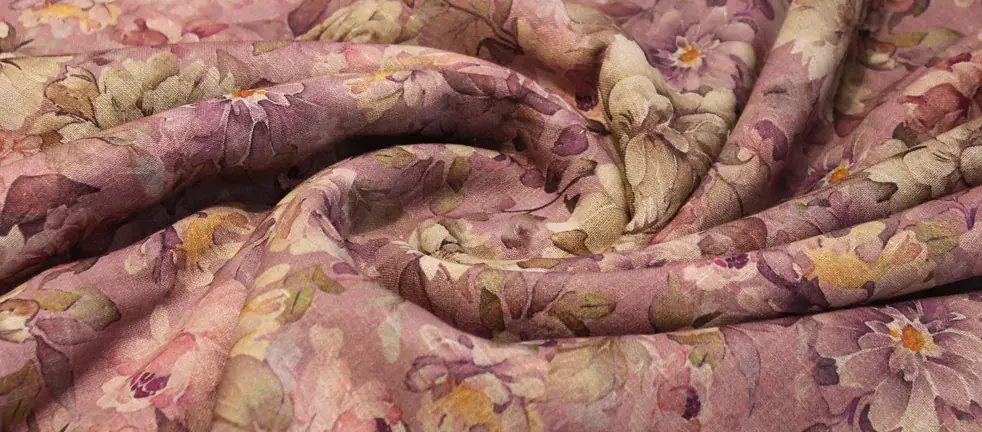
Who can Benefit From This Guide?
This guide is useful for all fashion enthusiasts, crafters, fashion designers, fabric wholesalers, fabric retailers, manufacturers, factory owners, surface pattern artists, fashion bloggers who care about their readers and want to give them a heads up on the latest and interesting textile printing method.
At Rajlaxmi Creation, we provide fully customised digital fabric printing to turn your imagination into a reality.
At the end I have a few questions for you:
- How will digital fabric advances impact your business?
- Have you made your own designs?
- Have you tried digital printing on fabric?
- What has your experience been like?
- Any suggestions?
I will be constantly updating this article, as I learn more.
I am excited to hear about what you have to say!
I will try answering as many friends as I can.
If you liked this guide and you know someone who can benefit from this, then share it and show them your love.